


Poker used to look like trouble. Not the kind of trouble that comes with a bad beat and a keyboard warrior ranting on the web, but proper trouble: smoky illegal locations, questionable characters and the vague possibility that somebody might have a gun under the table. Somehow, at the same time, poker and casinos also managed to look incredibly glamorous. Sinatra, Elvis, tuxedos, evening dresses, champagne, bright lights. Poker lived somewhere between the back room of a gangster movie and the best scene in a Hollywood musical.
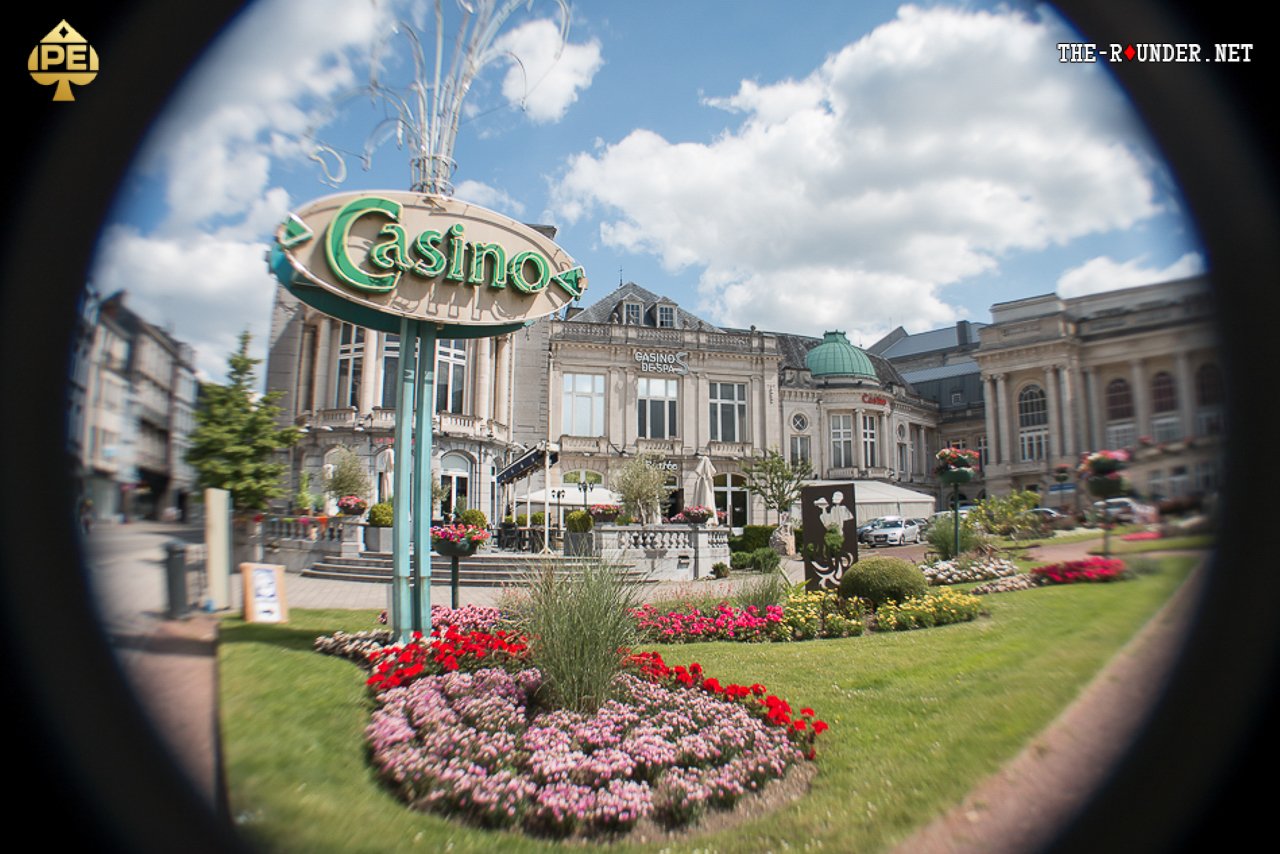 Fast-forward to today and the guns are mostly gone, the suits have disappeared and the average poker table increasingly turned into a convention of people who know what a Nash equilibrium is.
The game survived. The atmosphere got an update.
Poker was never exactly respectable
There is an important distinction between what poker actually was and what people thought poker was. For a long time, those two things weren’t particularly far apart. Poker was gambling. Gambling was associated with casinos, smoky bars, questionable habits and people who did not always fill out tax returns for all of their income.
There was an element of danger to the mythology. The old poker player was not necessarily the smartest person in any room but he might simply have been the guy who was prepared to stare you down for three minutes without blinking.
Intimidation and reputation mattered differently than these days. Knowing who you were sitting across from mattered differently too. If the guy across the table looked like he had arrived directly from a movie scene involving a horse’s head and a poorly negotiated loan, one probably thought twice before getting involved in a big pot.
That doesn’t mean every poker game actually looked like this. Far from it but the image stuck and Hollywood certainly didn’t do much to correct it.
The glamour coating
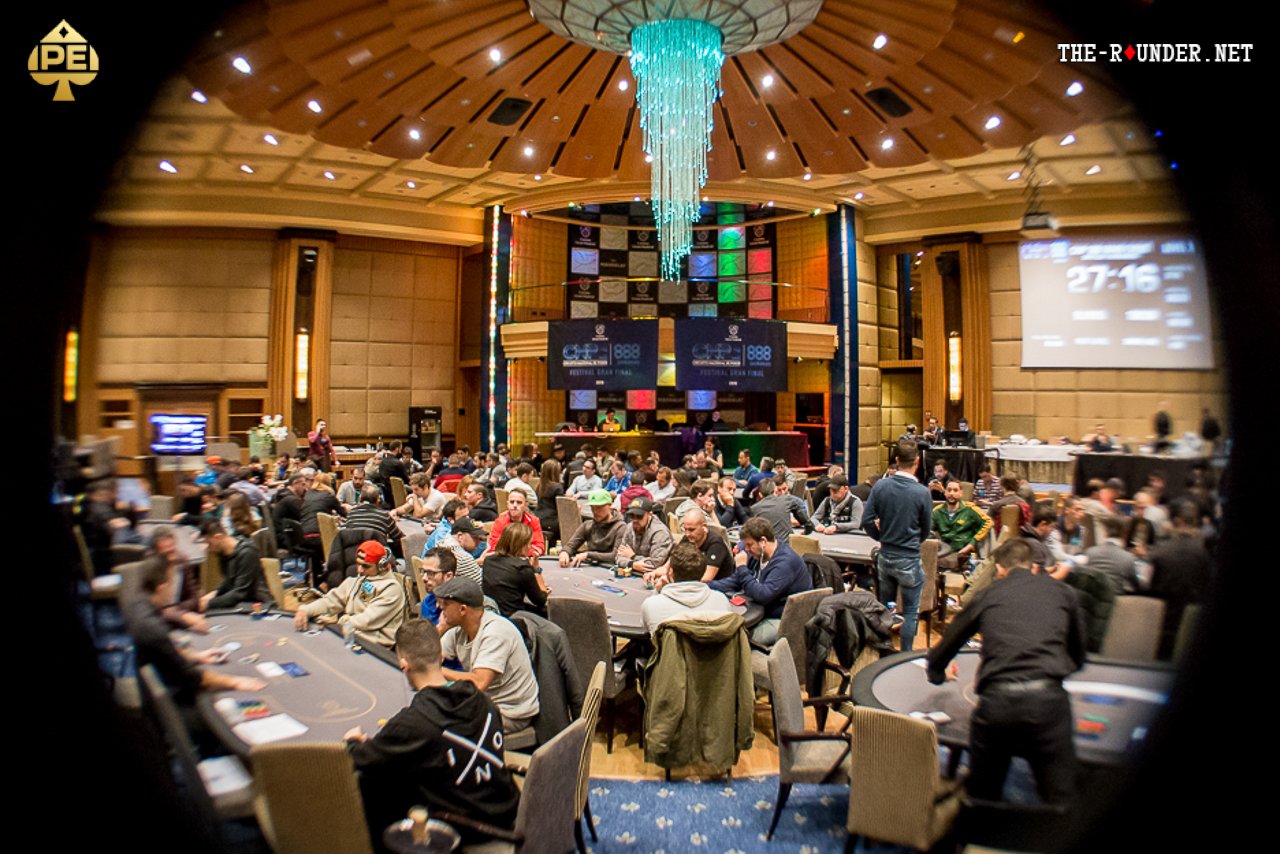 Casinos weren’t only dark places where dangerous men torched and/or laundered money. They could also be spectacular. Las Vegas in particular developed an image where gambling, entertainment and celebrity became almost inseparable. Frank Sinatra and Elvis Presley, for example, belong to a very different chapter of the entertainment history and both became part of the casino industry mythology and legacy style.
The casino was somewhere one dressed for. People went there to be seen and there was an expectation that something really exciting might happen at any moment. Even if people were only sitting at a blackjack table losing money, at least they looked like somebody who had somewhere important to be afterwards.
Today, people can still dress up for a casino. The problem is that they may spend the evening wondering whether they are overdressed. The casino became more accessible, more casual and, in many places, cheaper-looking. The tuxedo gave way to sports wear and the evening dress gave way to whatever looks ok without too much ironing.
Poker culture naturally followed the same trajectory: accessible, casual, cheaper-looking.
A new species of casino visitor
Modern poker has produced something quite different from the old gangster image. It has produced the poker geek. ‘Geek’ in an affectionate way. The modern serious player might know the correct three-bet frequency from the small blind, understand solver outputs and enjoy to discuss range construction.
The old poker player might have wanted to know whether his opponent was scared. The modern poker player wants to know whether the continuation-bet frequency is exploitable. Progress.
The game itself has become more sophisticated. Online poker accelerated the process enormously. Huge amounts of hand histories became available to the data hungry geeks and software can analyse decisions. Solvers can help mediocre players explore strategies that would have been completely inaccessible to expert players a few decades ago.
Like a criminal case being gradually solved, poker became less mysterious and once the mystery disappeared, a lot of the mythology evaporated.
Data points: bullets for the spreadsheet
Of course, people still try. The angry stare is not dead. Neither is the dramatic chip shuffle, the sigh, the prolonged tank or the carefully constructed speech designed to make opponents believe that the person holding the nuts has absolutely no idea what they are doing. Deception and intimidation are still at the heart of the game but intimidation isn’t what it used to be.
Players can glare at somebody for two minutes. The solver solution doesn’t get nervous. And even for the toughest looking persons in the casino, ranges still have to make sense when faceing today’s modern poker crowds. There is something almost funny about that transition. Poker once rewarded the ability to dominate a room psychologically. Now players can potentially dominate the room by understanding a computer-generated strategy that others at the table might not fully understand.
The cowboy has been replaced by the spreadsheet or, at least, he had to learn to use one. Bullets have been replaced by data points and the backroom gangster has been replaced by dudes wearing noise-cancelling headphones debating whether the river bet sizing was a mistake.
The game’s soul
 None of this means that old poker was better. It wasn’t necessarily. The world was another place. Since poker is a mirror of many aspects of human interactions and society in general, the game changed too.
That said, it’s always a matter of taste when it comes to vibes, but there is a case to be made for a lot of the things associated with old-school poker culture being objectively unpleasant to put it mildly. Many will agree that violence, criminality, addiction and physical intimidation aren’t exactly features we urgently need to bring back in the name of atmosphere and vibes.
Along the way, poker became less glamorous but also less dangerous and more efficient. It is not great news for the poker story but it is probably good news for the poker consumer.
Today’s poker and everything around it make, in many ways, for a better game. It is more accessible althouogh the strategy has developed enormously. Players understand the game at a depth that would have seemed absurd twenty or thirty years ago. Intellectually and psychologically speeaking, it did not become less violent. There are actually a few points to be made for the opposite since strategic edges gradually tend to melt as the general skill level of participants increase.
There is still something very compelling about a game that exists somewhere between mathematical uncertainty, strategy and the psychological warfare. The modern poker player may understand the game better than ever but occasionally, in an old casino with faded carpets and cigarette smoke that somehow survived the smoking ban, some ancient characters at the tables and old photographs on the walls still easily make us relate to what poker used to feel like before solvers and before the correct response was ‘30% pot’. Ultimately, poker is about using an arsenal of techniques and skills that can be combined or not. Instinct is still something great to have in one’s swiss knife of poker tricks in order to be able to look the guy across the table in the eyes and make him fold his hand with no machine-generated decision tree needed to always tell us how and why.
For those who enjot this kind of read, there is an article available in the LIFESTYLE section about how poker positions itself versus gambling addiction under: https://pokerexclusive.com/the-rounder/poker-rooms-vegas-evolution
All our LIFESTYLE content: https://pokerexclusive.com/lifestyle
Have fun at the tables!
brought to you by
