


‘Why would I play against the same 20 regulars while the casino takes rake?’
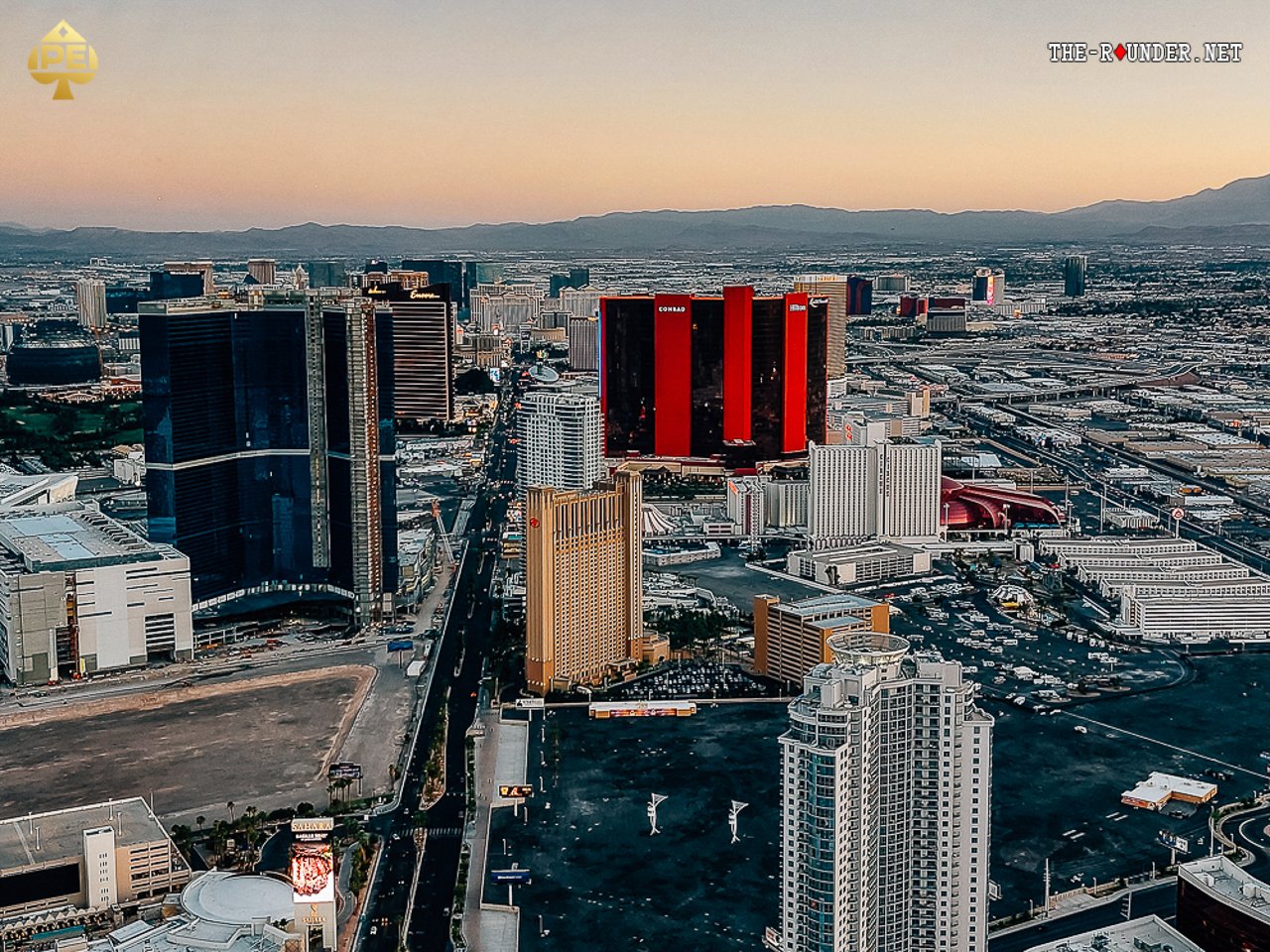 It’s a common line heard all over the poker rooms in Vegas and it tends to miss what is actually happening. It seems like (some) Vegas poker rooms are not losing traction because poker has become less attractive. Poker is getting squeezed because casinos increasingly love other shinier things more.
Vegas poker rooms are closing
One of the biggest recent example wasn’t a permanent death, but it was highly symbolic. People love drama, (social) media even more.
The poker room at Caesars Palace closed in 2024 and remained gone much longer than originally expected. The reason was obvious (on a spreadsheet): Caesars converted the space into a high-limit slot area during renovations. Poker eventually returned in 2025, but the message was impossible to miss as the management had looked at the floor plan and decided slots would win the battle for square footage.
The Planet Hollywood poker room made a very welcomed come back, hosted a few prestigious events and closed again after a few months. 8/10 for the nice effort.
Industry chatter often focuses on weaker poker rooms struggling to justify their existence. While new properties like Durango or Fontainebleau made the decision to skip poker all in all from the beginning, several local-market properties have reopened after the pandemic without bringing poker back at all or without a serious development plan. Poker rooms like the one at Resorts World reflect a broader concern. If a room isn’t generating enough traffic, casinos increasingly see poker space as redeployable real estate. That’s really all the story. Particularly when the price tag of the building hosting the poker room is multiple thousands of millions.
Vegas poker rooms are dying
That phrase is easier to throw out there rather than ‘Poker has become the tenant that keeps getting its lease reviewed.’ The dirty little secret everybody knows is that casinos don’t really want poker. Casinos love games where the house has a direct edge, players lose money steadily and revenue scales easily. The great game of poker does none of those things for them. It’s just soso-business compared to all other games and soso-business becomes increasingly difficult to justify when operational costs are rising and interest rates remain high for years as a new manager arrives and reviews performances of company sectors on paper.
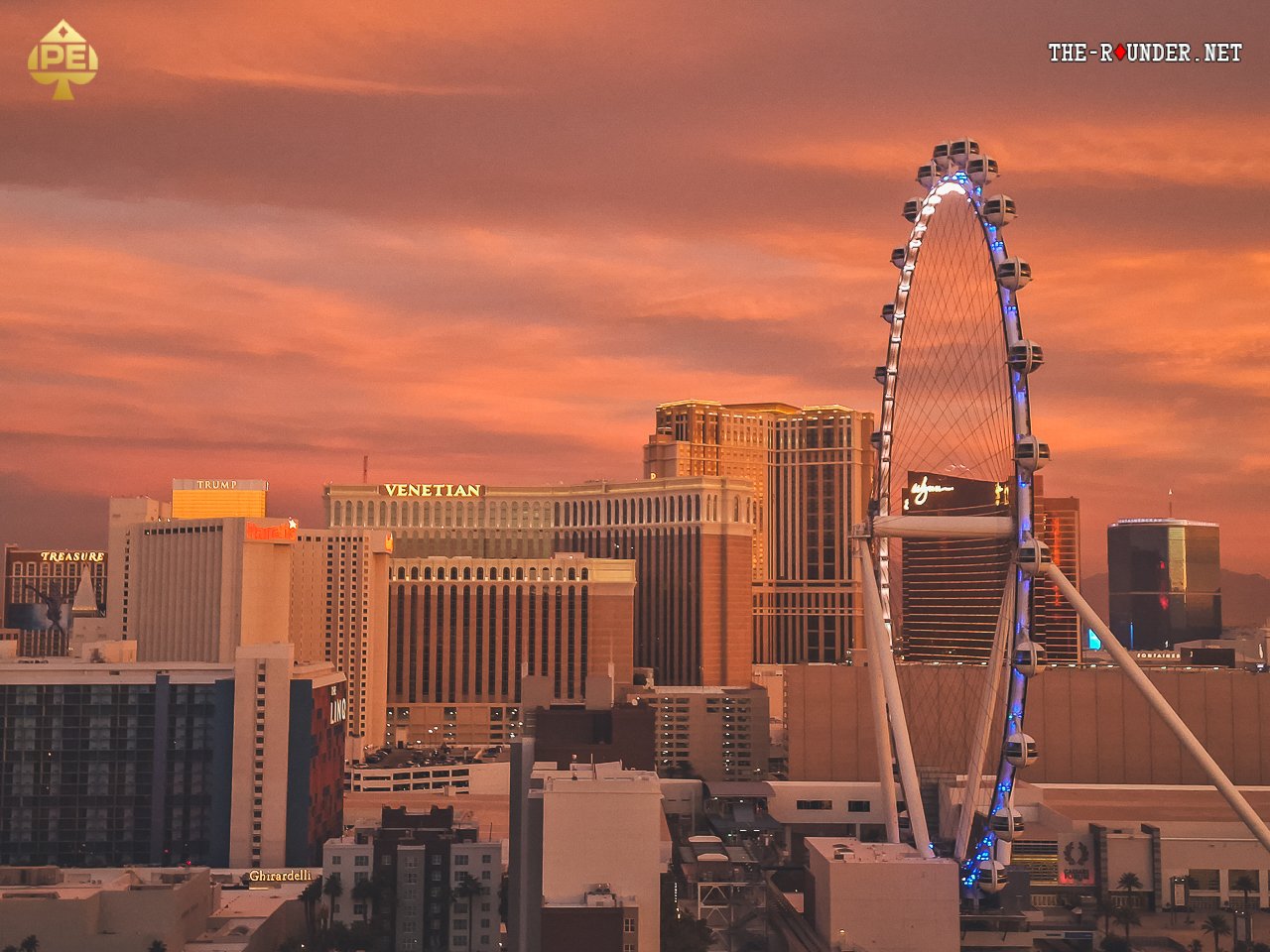 Poker rooms collect rake from players and the casino is essentially collecting rake from the poker room. Players are fighting each other but the house is still winning, without even playing when it comes to poker. It’s beautiful but not enough compared to what all the other games bring in. Expenses linked to running a poker room have increased of course but probably less than the casinos’ spending habits in terms of operational costs, debt refinancing and dividend distribution.
A poker room filled with grinders can operate for hours while the same money roughly circulates among players. From a casino executive’s perspective, one poker table generates less revenue than the same space filled with premium slot machines. That’s why poker rooms often get shoved into corners, hallways, remote mezzanines, or spaces near dark sports books. Poker survives in casinos only because it brings in customers. For other games. Not because it is the most profitable use of floor space.
To run a good poker room, casinos need more space, more better trained staff and also more marketing than any other game they run. What a pain in the neck! An then it’s always going to be where they make the least money. That’s usually where poker room managers either completely lose the executives’ attention during a meeting, if they don’t trigger their skepticism. Either way, poker is never really a good corporate topic. Maybe one of the toughest jobs in a casino, is being the poker manager who constantly needs to convince the board members that poker is good for the house while these keep pointing at mediocre balance sheet results every single quarter.
The perfect excuse for a purge
Before 2020, poker was a traffic driver, casinos viewed it as a prestige offering and some major rooms helped define a property’s brand.
After 2020, casino executives were asking the same old questions but insisting more: ‘Do we really need 25 poker tables?’ ‘Couldn’t we generate more revenue with this space another way?’
The rooms that survived generally had one of the advantages like strong tourist demand, major tournament series or strong local communities. Everybody else entered survival mode, evolved or closed.
Vegas poker rooms are not dying
Poker isn’t disappearing. In economy, it’s called ‘consolidating capital’. It’s something normal that happens when operational costs, interest rates or both are too high to generate a satisfying profit. Right now, both are high while the appetite for profit is huge. The perfect sh– storm. And someone needs to pay.
The Vegas poker action is now concentrated at places like Bellagio, Aria, Wynn, Venetian or Horseshoe. These rooms have become the equivalent of major airports. Smaller rooms are becoming regional airports with a more specific offer. And some are simply losing travel routes altogether. It’s less dramatic than death. It’s a market evolving. But ‘The death of Vegas poker’ works better as a title.
The reality is that a casual tourist never needed twenty mediocre poker rooms like nobody needs twenty brands of tooth paste at the shop. Five good ones might be enough or different rooms can offer different vibes and perks. For locals, the Strip has become a place one would rather not go to because of exaggerated prices and is something that starts making management thinking shift. Some casinos are now focusing big time on locals again like South Point or Station Casinos properties like Durango and Red Rock Resort.
Poker rooms are not the main Vegas story
In recent years, casino merge and acquisition activity has strongly increased. One of the biggest headlines, was the acquisition of Caesars by Fertitta Entertainment, a massive deal worth many billions. Roughly at the same time, MGM became the target of a major buyout proposal.
The thing is, when billionaires start moving 10 to 12 figures to buy casino companies, nobody is mentioning the poker rooms for too long during negotiations. Investors are buying customer databases, loyalty programs, hotel inventory, ports betting operations, real estate, digital gaming assets, and event licenses. Poker likely barely appears on the acquisition spreadsheet.
Scale matters more than product variety
The old casino model was: ‘Let’s bring everybody and offer them everything. It’s going to be awesome!’ The new model feels more like someone copied the business model of a low-cost air carrier and applied it to the entertainment industry.
Of course it’s less enjoyable than in the past. They know.
If a poker room supports the ecosystem, great. If not, management starts asking difficult questions. Not because the owners got more evil but because, as ownership groups have become larger, decisions have become more data-driven and less connected to operational reality and the ‘vibe of the house’.
That usually means more efficiency, more standardization and less sentimentality. It’s all very normal. The days of keeping a poker room open because ‘it’s part of Vegas culture’ are clearly fading. The spreadsheet has become king.
Another friction point, is that consumer behavior has changed. Primm was built around a brilliant 1980s and 1990s idea: catch Californians before they reach Las Vegas. For decades it worked but the world changed a lot and people changed their ways. Casinos did not listen much. Now, it’s a dead desert place on the border. Atlantic City, similar stories, with an ocean front instead of the desert. The problem with spreadsheets, is that they are always right but they never depict reality or, like the quote commonly attributed to Aaron Levenstein illustrates a lot better: ‘Statistics are like bikinis. What they reveal is suggestive, but what they conceal is vital.’
 Reality check: change is not death
Ok, everybody in their best bikini! Las Vegas poker could still become smaller and more concentrated in the coming years.
The iconic rooms will most likely survive and some more marginal rooms will keep disappearing or rethinking their offer. Meanwhile, casino ownership will likely continue consolidating around companies focused on hospitality ecosystems, loyalty databases, sports betting, and digital gaming rather than traditional casino-floor nostalgia and experimenting new gaming concepts. As a company, one does not consolidate to give more to workers or customers.
Those poker room closures are not primarily telling us that poker is failing. They’re telling us that modern casino operators increasingly view every square foot as an investment portfolio. A poker table has to justify its rent and costs of operation, like any other company product.
The market concentration effect is then amplified when consumers start following the cash stream that casino management put in place for them. If secondary rooms don’t find ways to stay attractive, they dry out. That’s what always happens to retail against capital: airlines, media, and now increasingly casino gaming. The middle gets squeezed.
On the other hand, like for sports, every town doesn’t need a major stadium. And every casino doesn’t need a poker room. The few that remain will become bigger destinations by default. That framing is less doom-and-gloom and probably closer to reality.
Another story worth watching is whether casino operators slowly shift from being gaming companies into hospitality and data companies. When stock experts values a casino group today, they often care about hotel occupancy, loyalty-program members, mobile betting users, convention business or premium HNW customers. How many 1/3 tables are running on a Tuesday afternoon, is not key. Even if those numbers happen to be impressive. Nobody is ever impressed in the corporate meetings. Poker remains culturally important, but it is no longer strategically central to many corporate casino groups.
For a poker media outlet like ours, that tension in the worldwide home of live poker, is interesting to follow as it seems less about ‘Is poker dead?’ than it appears to be about ‘Does the casino today need poker less than poker needs the casino?’.
For now, the poker patient shows some occasional weakness but it seems reasonably fine. It should make it if it does not end up getting infected by some fatal bacteria contracted in the very same hospital that was supposed to cure it.
brought to you by
