


Five players remain in a poker tournament. There is still a trophy to win. There is still a winner to determine. There is still plenty of poker to be played. The most interesting phase of the event.
So naturally, someone suggests splitting the money. Everyone agrees. The chips are counted, the prize pool is divided after some agreement or some ICM calculations, and five players walk away happy.
Financially speaking, it’s perfectly sensible. Sportingly? Maybe. Maybe not.
Some of the poker industry has spent years trying to establish the game as a sport. We talk about skill, preparation, strategy, discipline, mental strength and performance under pressure. Also, occasionally, when the competition gets really serious, poker looks at everyone still sitting at the table and says: ‘You know what? Let’s just divide the money.’
Five players enter – five winners leave
Usually, when a tournament ends with the last players agreeing on a deal to divide the remaining prize pool, nobody broke a rule. Nobody cheated. Nobody was forced to accept it. From a purely financial perspective, the deal can make perfect sense. After having spent hours or days playing poker, surviving numerous opponents and sitting at a final table with serious money still available, why not negotiate a distribution that everybody considers acceptable?
Poker is, after all, a game played for money. Or is it for something else?
There is another question hiding underneath the pile of chips: ‘What happened to the competition, to the show?’
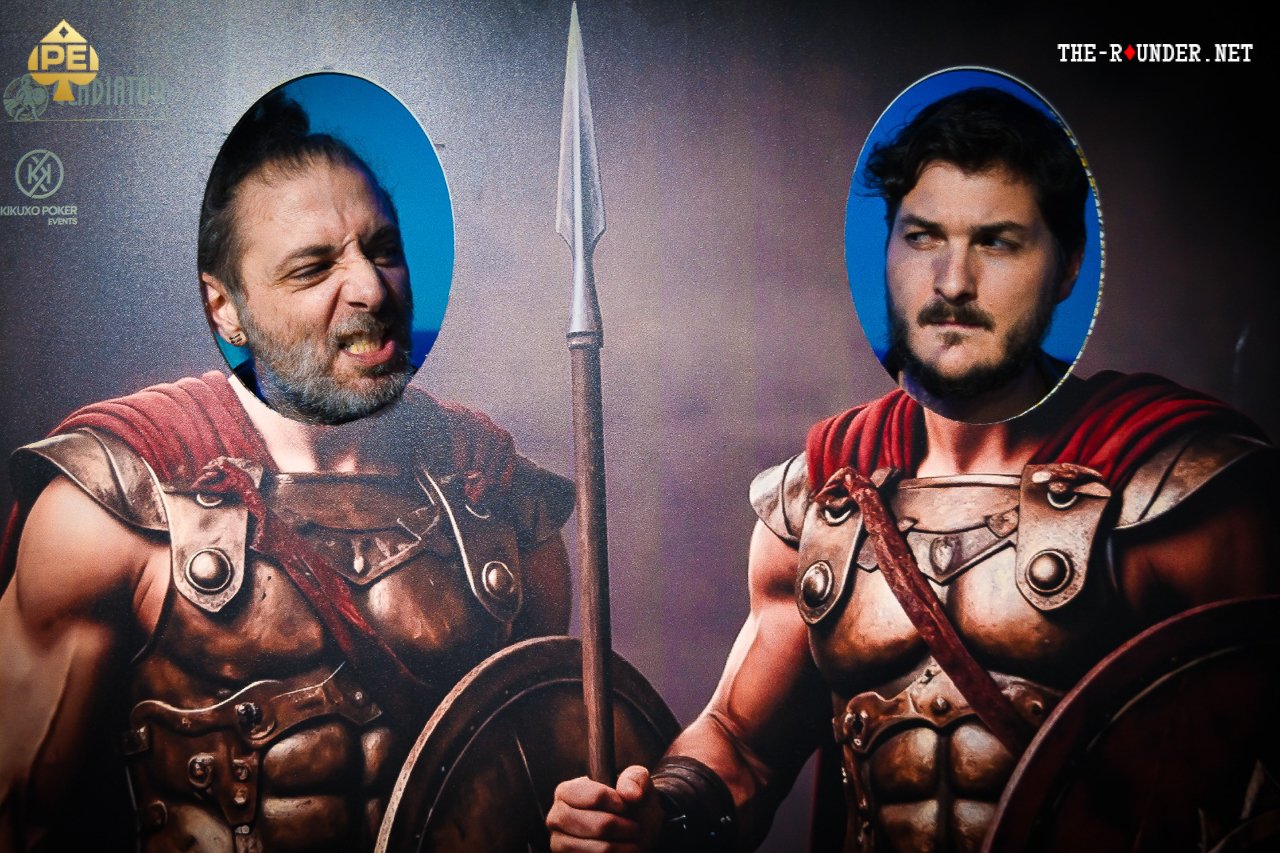
Imagine a football World Cup reaching the quarter-finals and the remaining eight teams deciding that the trophy is probably not worth the hassle: ‘Look, Brazil has a good squad, France has Mbappé, Argentinians are dangerous… how about everyone gets a percentage and we flip for the trophy on the parking lot?’
Formula 1? Ten laps remaining and here’s the thing: ‘Lewis is currently ahead, Max is just behind, George is somewhere in the middle but could still make the comeback. So, logically, let’s smoothen variance, split the points and go have pizza.’
Nobody, especially not if one is a spectator who has paid for tickets would call that a particularly satisfying sporting conclusion. It would be hard to explain to sponsors investing in the event and to media channels who spend fortunes for broadcasting rights to offer their audiences exciting transmissions. In poker, however, it is perfectly normal.
That’s where things get uncomfortable exactly because poker is maybe too comfortable to be a sport.
Schizo-Poker
Poker seems to have two personalities, a slightly schizophrenic identity. On one side, it desperately wants to be recognised as a sport: the skill, the preparation, the strategy, the mental game, the discipline, the ability to perform under pressure, and the serious money at stakes.
All perfectly legitimate arguments.
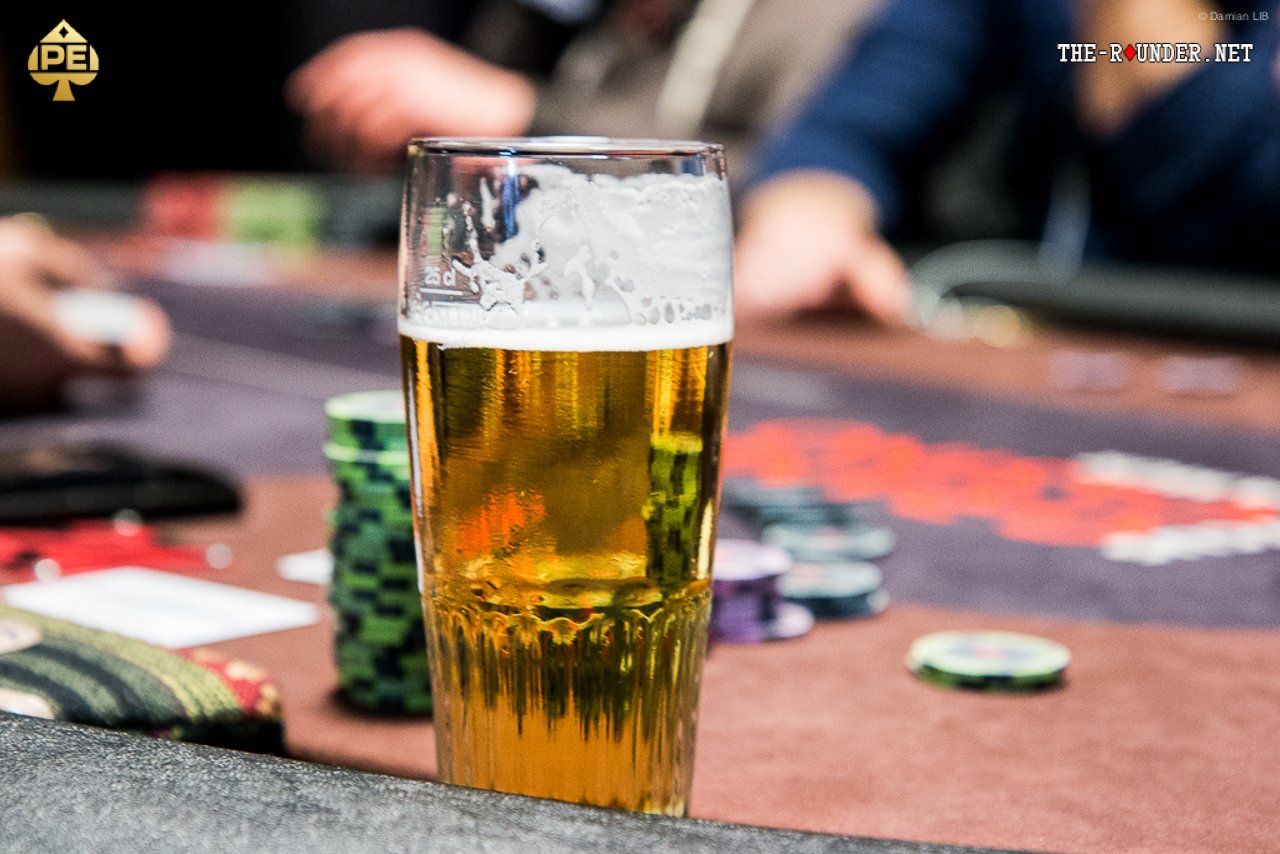 On the other side, poker is still an activity in which you can sit down, put money on the table and lose it because a random piece of cardboard arrived on the river. Also, in case of win, many are reluctant to pay taxes or to participate in any. other way to society. That’s not necessarily a problem. In fact, that tension is part of what makes poker interesting but if poker wants the sport label, sooner or later somebody is going to ask what exactly happens to the money, to the rankings and what happens when the sporting competition becomes inconvenient for thee participants. The answer, quite often, can be heard from a head stuck deep under the sand: ‘We’ll negotiate.’
Cannabis is being regulated across much of the world, a major shift that many consumers welcome. Whether it solves more problems than it creates remains open to debate. What is less debatable is that new freedoms come with new responsibilities. As legalization and decriminalization expand, enforcement is simultaneously tightening around driving under the influence for instance. Turns out, changing the rules also means changing what is expected of those who benefit from them.
The same principle applies to poker if it wants to become a sport. Just as cannabis users have to adapt to certain social rules now that their habit is moving into the legal mainstream, poker players and the industry as a whole may have to accept that calling poker a sport comes with responsibilities of its own. The benefits of being recognized as a sport cannot simply be collected while ignoring everything that comes with the label. And judging by some of poker’s favorite habits, the industry does not exactly seem ready to unanimously sign up for the full package.
The deal is not the problem
To be fair, there is nothing inherently wrong with making a deal.
A poker tournament is not the Olympic 100 meters. The players are not representing their countries. There is no referee whose job is to make sure the fastest person gets the gold medal. On top of it unlike most traditional sports, poker tournaments have a very obvious economic component. A player who has already secured €100,000 may reasonably decide that taking a smaller guaranteed amount is better than risking everything for the chance to win €150,000.
That is not cowardice. Maybe a bit sometimes. But it’s also mathematics and occasionally,yes common sense at a poker table. If five adults sitting around a poker table voluntarily agree to divide a prize pool, that’s their business.
But it does mean something important: the moment the deal replaces the remaining competition, the sporting contest has effectively ended even though the tournament may continue technically, for peanuts, for the glory or for some small undividable portion of the prize.
The question of who actually beats whom has already been partially replaced by another question: ‘Who is happy with which number?’ That’s a very different kind of angle.
Sports have a funny habit of actually finishing
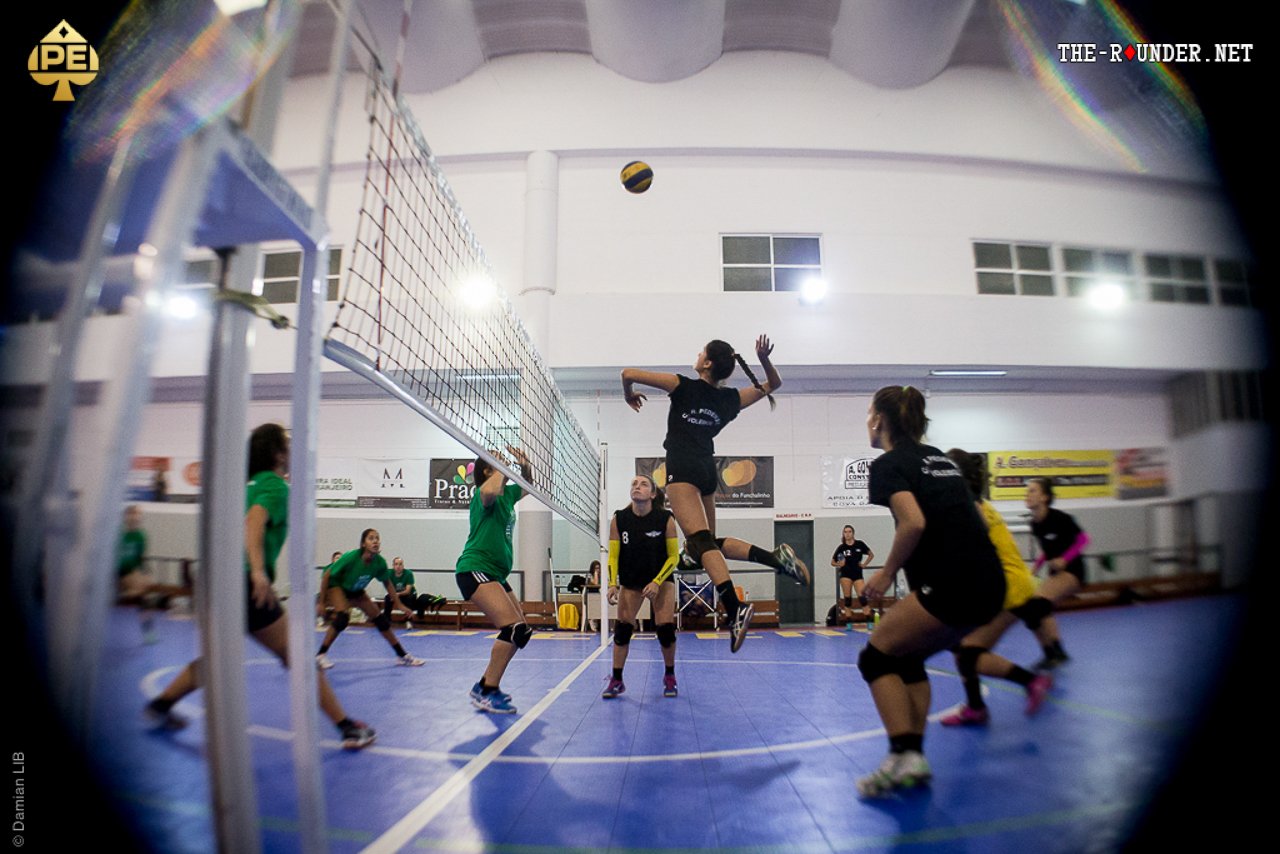 This makes poker look slightly odd compared with traditional sports and, actually, compared to many human activities.
A golf tournament doesn’t normally end because the remaining players agree that everybody has played enough. If two players are tied, they still play the playoff. If darkness interrupts the final round, they come back. If the weather causes problems, they wait.
Tennis does the same thing. If a major match is interrupted, the players don’t sit down and negotiate who should receive the trophy based on how impressive their previous sets were. They come back and finish the job.
Because the point is not simply to distribute the money. The point is to determine the winner.
Poker has a different structure, of course. There are practical reasons for that but it is worth noticing the philosophical difference.
In most sports, the prize money follows the competition. In poker, the prize money is the competition.
And then there are re-entries
The sport argument gets even more entertaining when we add unlimited re-entries. Imagine losing the Olympic 100 meters and walking back to the starting blocks: ‘Sorry, guys. That was a bad heat. I’ll buy another entry.’
Imagine getting knocked out of Wimbledon and producing your credit card: ‘Can I have another bracket, please?’
In poker, buying another bullet is perfectly normal in almost all tournaments and there is nothing inherently wrong with it but it clearly demonstrates that poker doesn’t fit neatly into the traditional sporting model.
Poker borrows some of the language and structure of sport while retaining the economic mechanics of gambling. Perhaps that’s fine. Maybe the problem is not poker. Maybe the problem is our insistence on forcing poker into one category.
So, is poker a sport?
The answer depends on what we mean by ‘sport’.
If sport means an activity involving skill, competition, preparation, discipline and performance under pressure, poker has a strong case. If sport means a competition in which the winner is determined by continuing until somebody actually wins, poker gets considerably more complicated. And if sport means ‘you can’t simply agree to split the remaining prize money because you’re all tired of variance’, poker is going to need a lawyer.
In a 2018 Forbes article debating the emergence of E-Sports and poker on ESPN, they defined sport as ‘an organized, competitive activity involving physical exertion, skill, and codified rules where individuals or teams strive to win’.
‘Win the competition’, not ‘win money’.
The funny thing is that poker doesn’t really need to become something else to justify itself. It can be poker and involve enormous skill, strategy, and psychological pressure. It can produce elite performers even involving luck, money, re-entries, deals and players suddenly discovering a deep interest in financial risk management when six figures are at stake.
All of those things can be true at the same time. Perhaps the more honest description is that poker is a competitive uncertainty management game with sporting characteristics. Not quite tennis. Not quite gambling. Something sitting awkwardly between the two, wearing sunglasses indoors and wondering whether the bubble factor has been calculated correctly. Maybe that’s why, somewhere in the poker world, the perfect insult is waiting: ‘You fight like a poker player.’
A win is a win. Profit is something else.
Similarly, it is tough to put poker on one side or the other of the ‘gambling’ fence. We recently published an article about this topic here: https://pokerexclusive.com/the-rounder/gambling-addiction-and-poker .
If you like these kinds of articles about everything around poker, visit our LIFESTYLE section ( https://pokerexclusive.com/lifestyle ) for more and feel free to share our work with fellow poker enthusiasts to support our work.
brought to you by
