

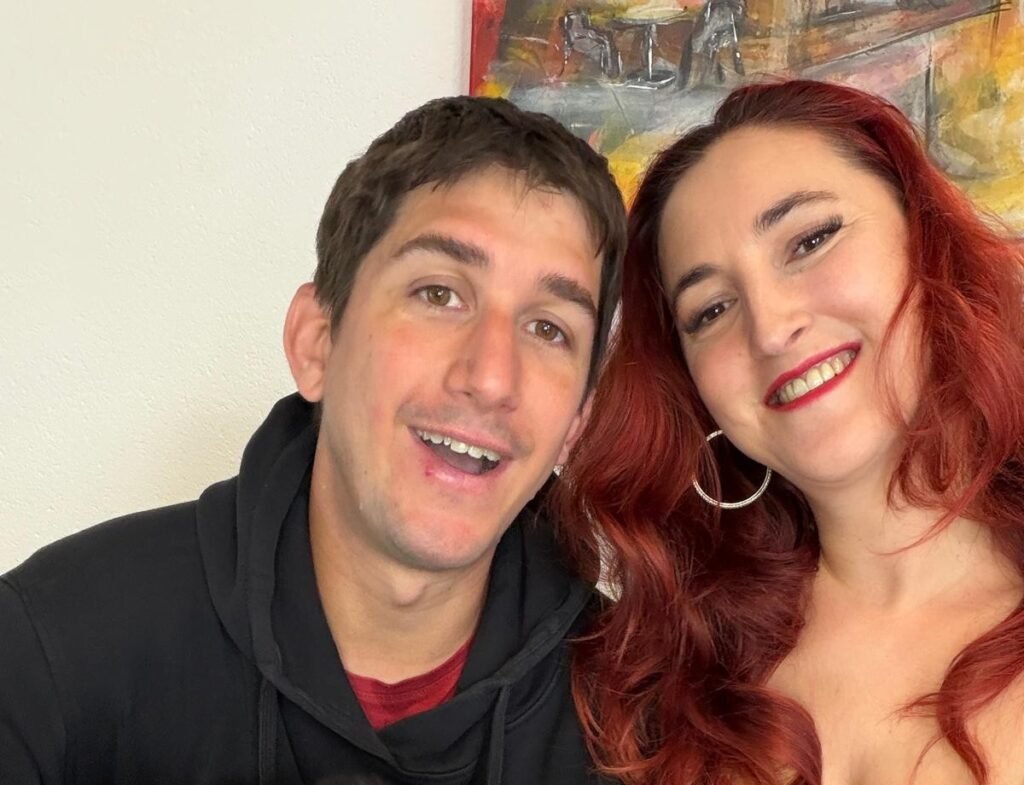
Poker couple Stefan and Anca Eggenberger in an exclusive PokerExklusiv interview. They discuss the cost of playing poker, skill versus luck, shared bankrolls, and the question of who’s really more of a pain at the table.
They met at a cash game table, where Stefan took Anca’s money. Today, Stefan and Anca Eggenberger are married and are among the most recognizable faces on the poker scene in the DACH-LIE region. In November 2025, Stefan won the CAPT Million in Baden, taking home 200,500 euros; he was the subject of the SRF documentary “Earning Money Through Poker Comes at a Price,” and runs KeolePoker, a community that offers German-language coaching. Anca learned poker from her father at age nine and worked as a dealer at the table for years before switching to the other side herself. Anca Eggenberger is now one of the most successful female players in Europe. In April, she won her first bracelet at WSOP Europe in Prague.
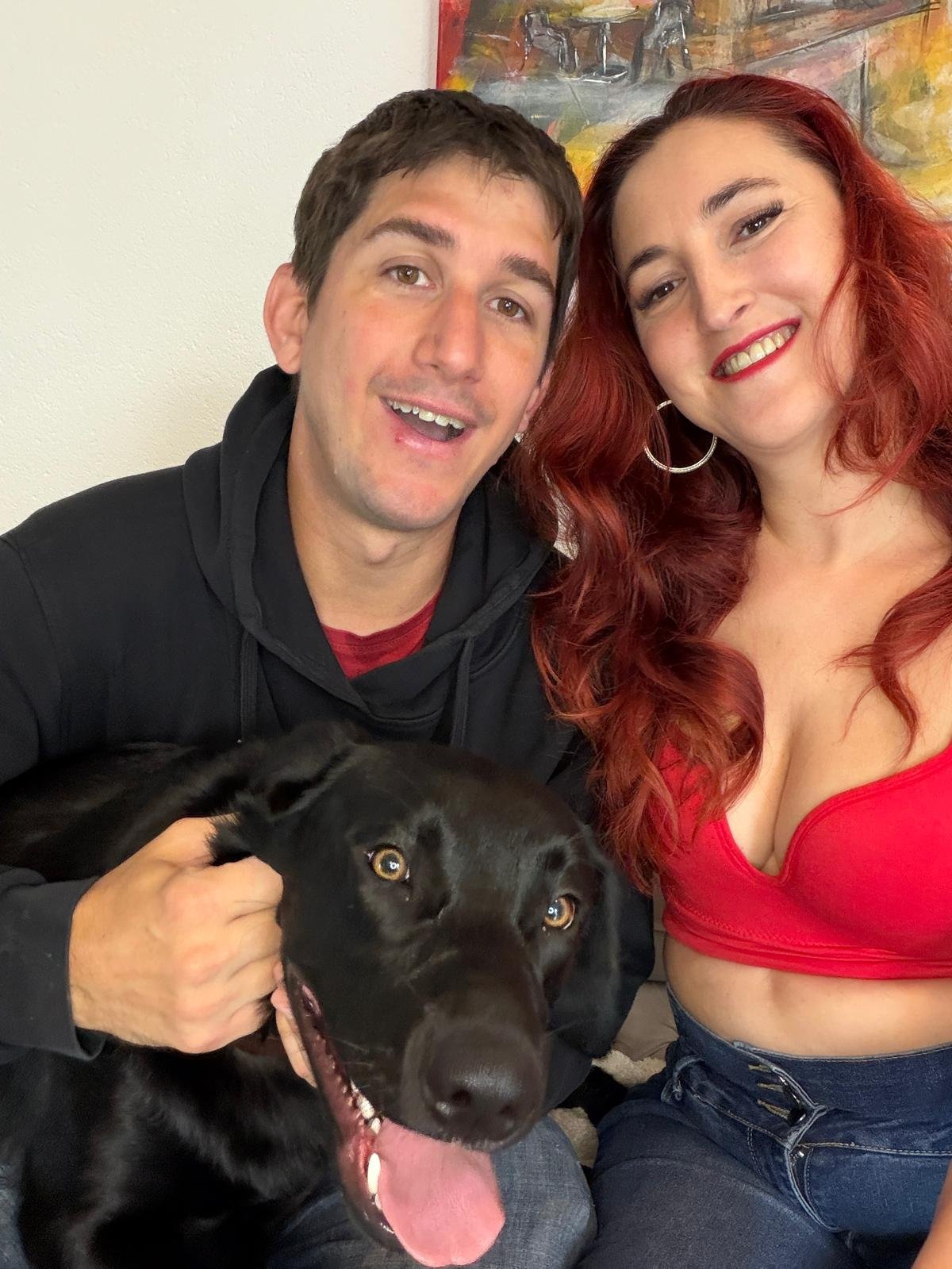
In this PokerExklusiv interview, the two speak candidly about missed evenings with friends, gambling in their younger years, men who underestimate Anca, and why they wouldn’t go easy on each other at the final table.
The Price of Poker
Potti: The SRF documentary about you was titled “Making Money Playing Poker Comes at a Price.” What price have you personally paid for it?
Stefan: To be completely honest, poker has often given me a great deal in life. It was always there for me in exactly the right way, helping me find a way out at just the right moment. My entire life story would be worth an article all on its own. These days, I can steer many things in the direction I want on my own; in the beginning, it was pure luck that things turned out the way they did. The price was perhaps more financial in nature at first, but even that’s part of the bigger story. The price I’m still paying today has to do with my rhythm—the things I have to give up because they don’t fit into my life. Morning hikes or meeting friends in the evening—those are things I often miss.
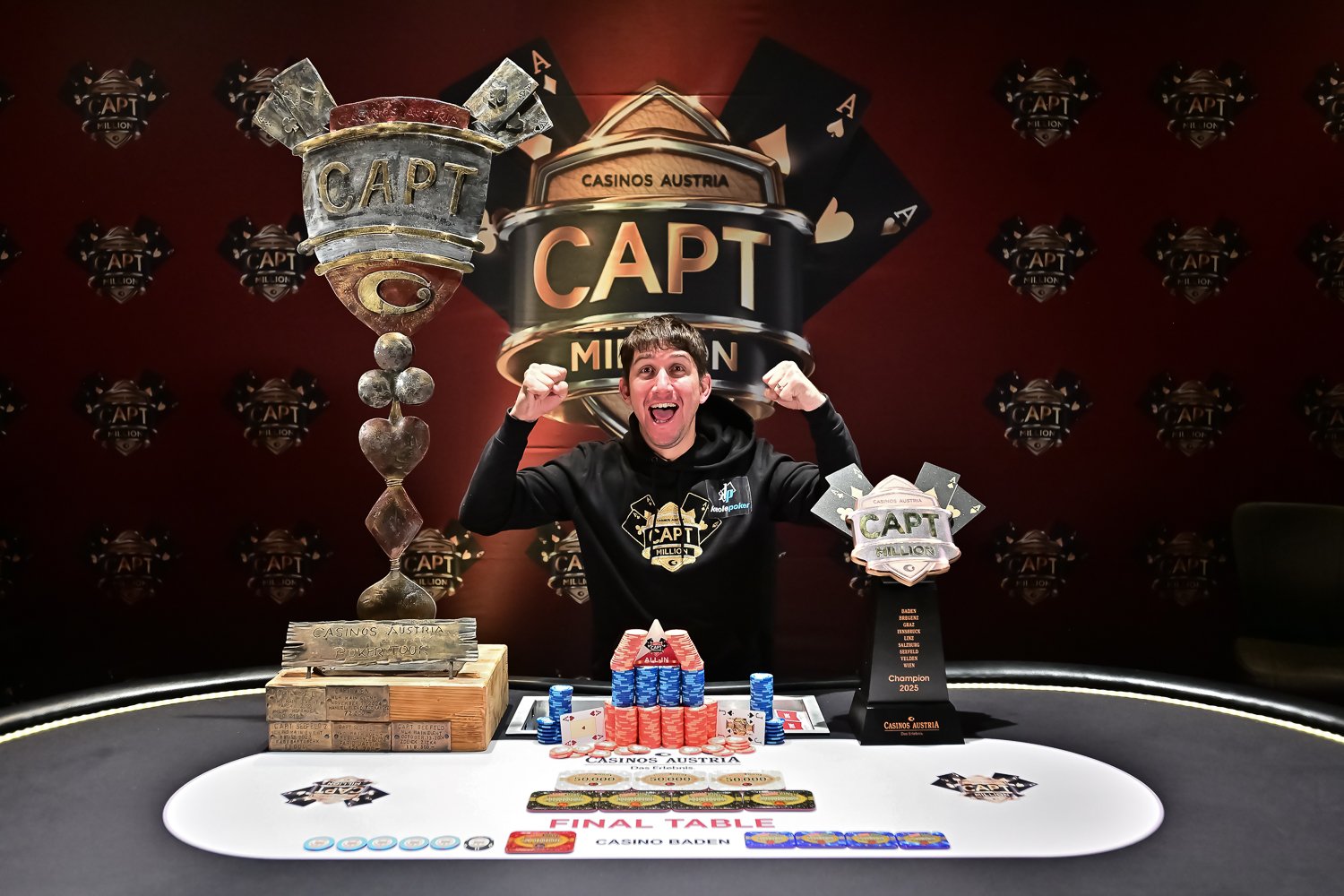
Potti: Looking back, did winning the CAPT Million and the €200,500 change anything?
Stefan: No, the win didn’t change anything in that regard, because at the time I was already financially well off enough to do what I’ve always done and still do.
Potti: Was there ever a moment when you seriously thought, “This isn’t worth it”?
Stefan: No, I guess I was always doing too well for that. What I’ve often experienced is losing my enthusiasm for the game because it was just too much. That’s why I’ve built up various other ventures on the side. Not just Keolepoker, but also two other projects unrelated to poker. Variety is important to me and gives me a tremendous amount.
From Gambler to Strategist
Potti: You mentioned in the documentary yourself that some poker pros, after losing at poker, like to head over to the roulette table to try to win their money back. How close have you personally come to that temptation?
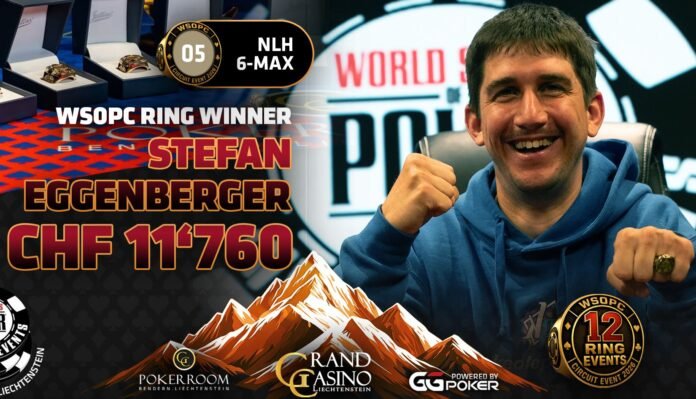 Stefan: I got into poker because of the gambling aspect. Until I was 22, I was often at casinos and played all kinds of games. Once I started looking into poker as a strategy game—with my current partner at Keolepoker, by the way—the other games just didn’t appeal to me anymore. Today, I get bored pretty quickly because the challenge is simply missing. And since, fortunately, I don’t have to worry much about money, I don’t feel the need to recoup my losses at all costs. The day’s result is just an insignificant number. These days, I also find it easy to walk away with a loss when it’s time to stop. I think that’s also a big part of the puzzle that got me to where I am now. That’s probably why I mentioned it in the documentary, too. Having experienced the whole negative side of things is just as important as not being dependent on the daily result.
Potti: Today, you’re a player, a coach, and an entrepreneur all at once. Are you actually still a professional poker player—or is that just one part of Stefan Eggenberger now?
Stefan: When I took the leap from semi-pro to full-time pro in 2020, I quickly realized that just playing wasn’t enough for me. Part of the right mindset is the number of hours you can “handle” playing. I figured that out for myself pretty quickly. That’s why I have so many different projects. And that’s why 2020 will remain the only year in which I was a full-time, 100% professional poker player.
The Woman Who Remembers Everything
Potti: Anca, you learned poker from your father when you were about nine years old—a man you’ve described as a (gambling) player. What did you learn from him about the good, but also the dangerous, sides of the game?
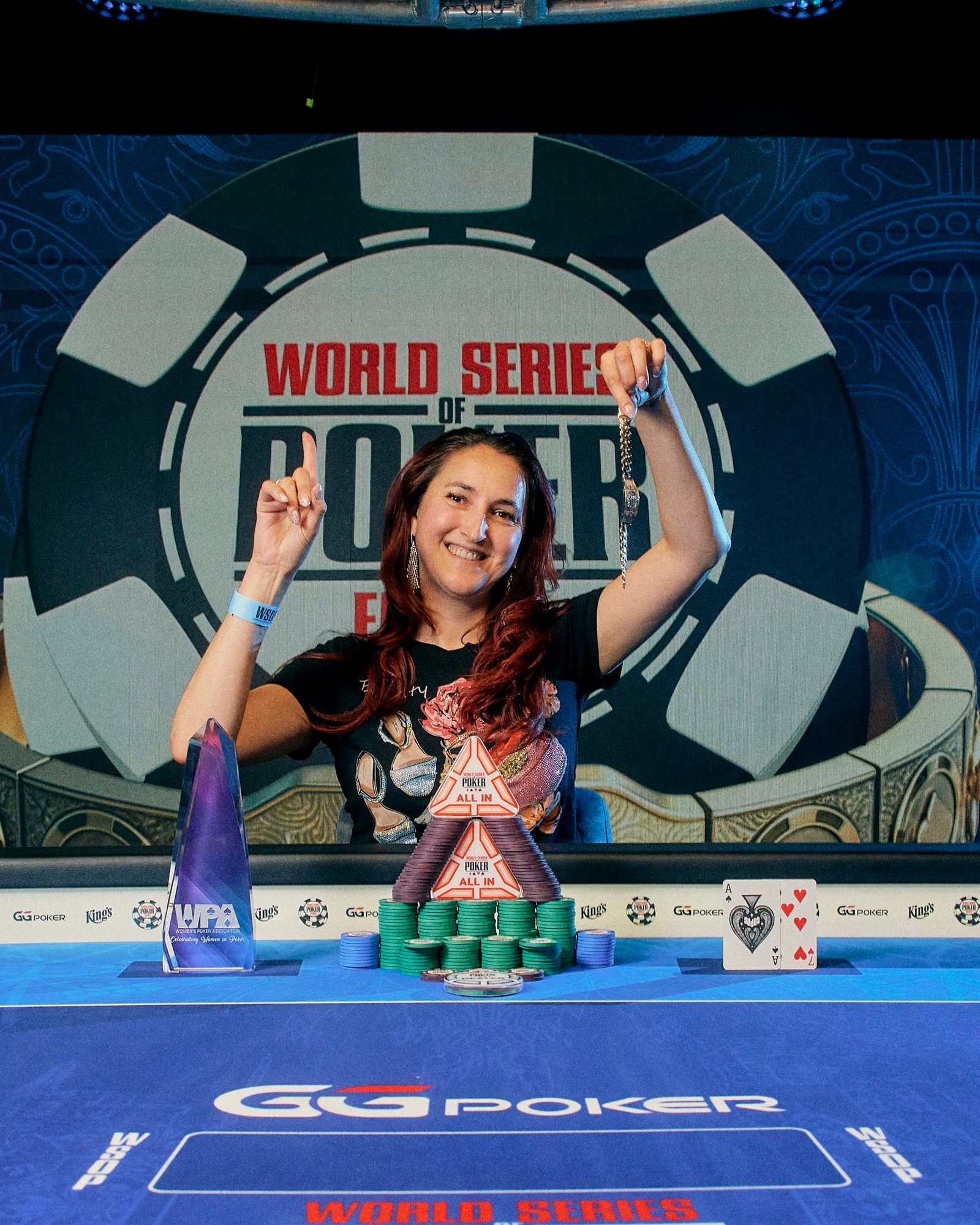 Anca: Yes, he was a player (poker, Jass, chess, backgammon) and a gambler (craps, roulette, and slot machines). Of course I take after him! I tried everything once and realized that you can blow money on anything. But you can make good money playing poker, and I owe that to Stefan. He pretty much put a stop to my rebellious phase. I have to say, though, that I’m a natural and have a knack for games. I learn pretty quickly, I’m good at remembering things, and I’m not afraid of anything. It gets dangerous when you lose control, drink way too much alcohol, and gamble at the same time. That’s a bad combination that leads to big losses.
Potti: You spent years observing players as a dealer. What does a former dealer know about poker players that the players themselves would rather not hear?
Anca: Because I can remember almost everything and have keen observational skills, I know a lot about many players. Many overplay their hands or cards, many give off a lot of tells, many are too impatient, and many let their tilt get the better of them. A lot of them could actually use a poker coach. But of course, we need these people, too. Who else is going to make the pot big!?
Potti: Poker is still very much a male-dominated game. Have you ever encountered men at the table who underestimated you—and did you consciously use that against them?
Anca: Yes, of course—every day—and I deliberately use that against them. I’ve always been able to stand up for myself, and that’s exactly what I do. Those who know me know this: I’ve never been afraid or short on money, and above all, I’ve never been able to keep my mouth shut!
Potti: Stefan took your money when you first met at the cash game table. Since then, who’s gotten the better of the other in terms of poker skill?
Anca: Him, of course—but at home, everything’s mine anyway… oops, ours!
One couple, one bankroll, no softplay
Potti: Which one of you is the better poker player?
Anca: Him
Stefan: Me
Potti: What was the worst argument you’ve ever had over poker or money?
Stefan: Anca’s drunken casino escapades, which usually ended up being pretty expensive.
Potti: Are your bankrolls completely separate—or is a loss by Stefan ultimately also a loss for Anca, and vice versa?
Stefan: In the end, it’s all together—we’re married, after all. So it’s all OURS. But we always talk it over beforehand about who should play what and who shouldn’t.
Potti: Final table, just the two of you left, a lot of money on the table: Do you play against each other without compromise—or are there inevitably limits as a married couple?
Stefan: I’ve already taken Anca out of the final table of a major tournament twice—that should answer the question. If you play together, you’re not respecting the game. The two of us in heads-up—we’d definitely play it out. First, it’s an exciting and rare experience. Second, we also have different backers in the background, for whom we always give it our all.
Skill or luck? The uncomfortable questions
Potti: “Poker is a game of skill.” Is that sometimes just a convenient way to describe yourself, because “gambler” sounds significantly less attractive?
Stefan: In the end, poker is both. I got into poker through gambling. Without that element, I would never have discovered poker. Today, it’s the game of skill that appeals to me—for me, it’s now a top-tier sport like soccer or tennis. Regular recreational players certainly appreciate that poker allows them to make their own decisions and influence their own fate, but—consciously or subconsciously—they’re also seeking out that very element of gambling. That’s the only reason poker works without skill tiers. As a professional athlete—which is how I see myself—it’s a real shame, on the one hand, that you can’t work your way up through a ranking system. On the other hand, though, it makes it easier to earn money playing poker, since the top tier isn’t so small and exclusive.
The reason I ultimately advocate for poker as a game of skill has to do with how outsiders view the scene and the associated political and legal difficulties.
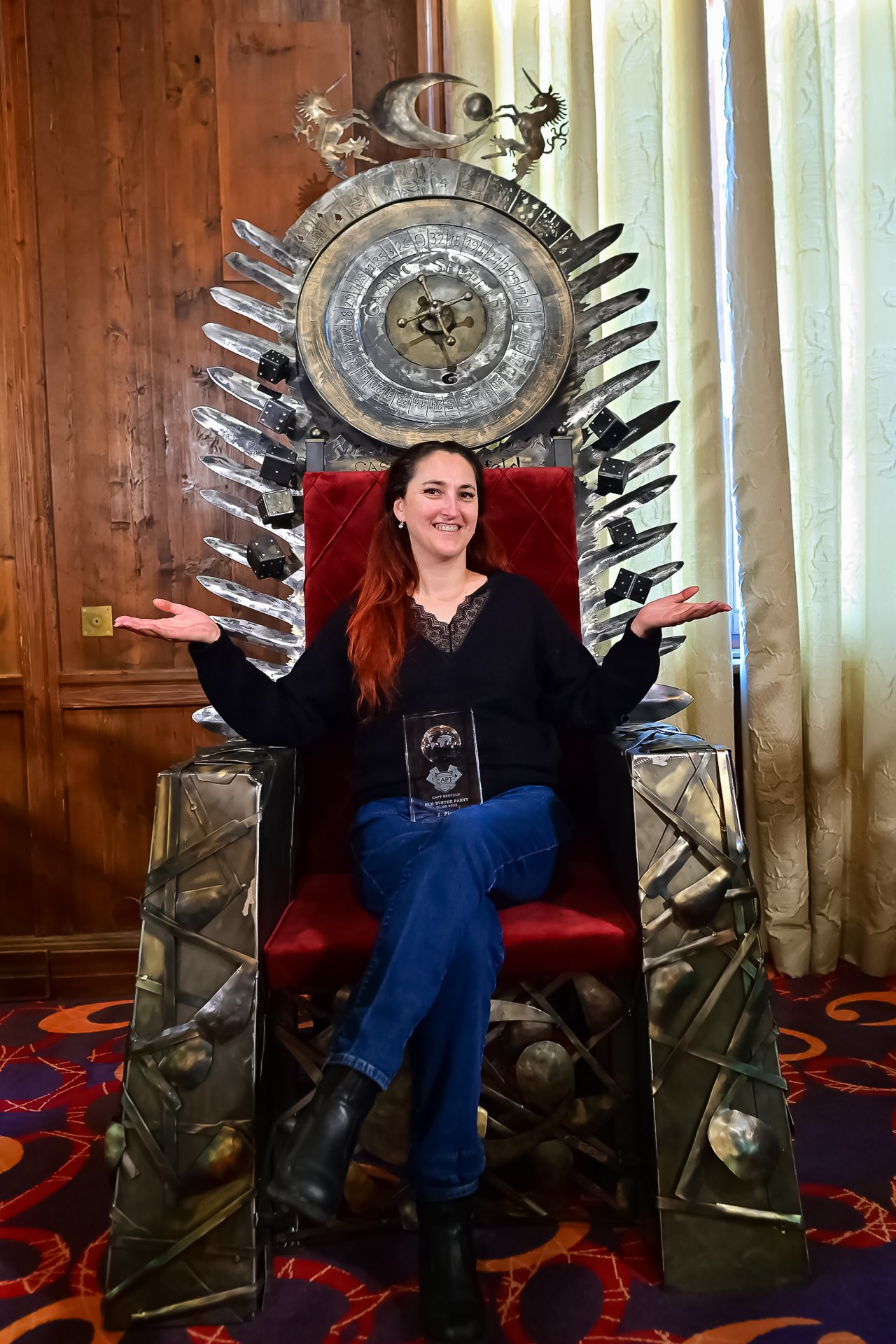
Anca: Sometimes you really think it’s a game of chance when you do everything right and still get knocked out even with the better cards. But that’s what keeps the game interesting.
Potti: You see winner photos, trophies, and six-figure prize money everywhere. Buy-ins, travel expenses, and years-long losing streaks, on the other hand, are hardly ever mentioned. Does the poker industry sometimes sell a more glamorous story than reality allows?
Stefan: 100 percent within the scene. Unfortunately, this also means there’s no official benchmark, like there is in other sports.
Anca: I think so, but that’s what everyone wants to hear—until reality catches up with you again.
Potti: Would you recommend that a young person you love become a professional poker player?
Stefan: Poker teaches you a lot about life. You can’t control your destiny, but you can work on yourself and increase the likelihood that things will go better for you in the future—even if that means more work and less reward in the short term. You don’t look for the easiest path in the short term; instead, you try to develop yourself over the long term. If I think a young person has the strength and the mindset to internalize and put this into practice, then I’d recommend it to them, since both poker and life help each other grow. Otherwise, probably not, because in life, just like in poker, you’ll keep getting in your own way.
Anca: Yes, I would. But first, that person should work a regular job for a while to build up a solid bankroll. After that, he or she should get some coaching, and then they can get started.
KeolePoker: Community, coaching—and a critical voice
Potti: Poker books, YouTube, solvers, training sites, coaches—there are countless options. Why does the poker world need KeolePoker, of all things? What sets you apart?
Stefan: As a community, we stand out because we’re based in the DACH-Liechtenstein region, which means we have personal connections to the local casinos. When it comes to coaching, we’ve focused on two key areas where we’ve identified a gap in the market. First, all our coaching sessions are in German; second, they build a solid foundation. Many players would love to learn more theory, but they’re completely overwhelmed by English-language videos that talk about SPR, frequency, or the merged approach. The centerpiece of my coaching is a 52-lesson German beginner’s course that overcomes these initial hurdles and brings theory newcomers up to speed with other providers.
Potti: Anca, if you could make all the decisions at KeolePoker starting tomorrow, what would you change?
Anca: Almost everything! I used to be self-employed, so I know how to run a business. You really need reliable partners who see the work that needs to be done and use their heads. That’s something I feel is missing a bit at KeolePoker. Above all, they need to step on the gas. But I’m not part of the inner circle or on the board. I’m just a regular member, so I can’t change anything.
Potti: And Stefan, how much influence does Anca actually have at KeolePoker?
Stefan: Contrary to what many people think, Anca isn’t involved with KeolePoker. She’s one of 200 members, but she’s not part of the four-person board or the expanded twelve-person team.
If money were no object
Potti: Suppose, starting tomorrow, you were financially set for life and never had to earn another franc playing poker: Would poker still take up as much of your life as it does today?
Anca: Maybe even more—with higher buy-ins and tournaments all over the world.
Stefan: Overall, definitely a little less—and certainly different. It would be more about fame than money, and our choice of games would reflect that.
Quick round: Stefan or Anca?
Who bluffs better?
Anca: Me
Stefan: Her
Who tilts faster?
Anca: Me
Stefan: Her
Who’s more unpleasant at the poker table?
Anca: Me
Stefan: Her
Who’s more stubborn?
Anca: Me
Stefan: Me
Who talks longer about a bad beat?
Anca: Me
Stefan: Her
And finally: Which one of you would have a harder time dealing with it if the other were to become significantly more successful at poker someday?
Anca: Well, I’d actually be happier if he won all the tournaments. I’d be really happy, and above all, I’d be even happier with the money—shopping!!
Stefan: If anyone would have a problem with it at all, it’d be me, because I invest a lot more into the game and wouldn’t understand why. But I’d still be just as happy.